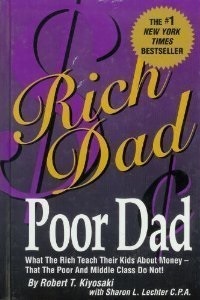
I read this book while in an Entrepreneur phase. On one hand, it is rather inspiring, in a John Madden sort of way. You see, John Madden (American football broadcaster) always makes everything sound easy, which may be how he coached the Raiders to the superbowl. He'll say something like now what they need to do here is score a touchdown. I think that if they can do that, they will turn this game around.
I still recall a memorable game where a quarterback's contact fell out, and while he and the refs looked for it, Madden said now here's a guy who when he wears glasses, he can see better. When it's explained in such a simple way, it really seems like the easiest thing in the world. Unfortunately, one must remember that the 6'5 defensive line is not just going to roll over and say 'uncle'.
Real estate isn't any easier. There's always some conflict around the corner to trip you up and send you back to square one (or often, square negative one). So, while this book gives you such excellent advice as learn from failure, make profitable deals, and work hard for yourself, it doesn't actually give you a system or method to make money.
This seems a strange irony to me, as this book is clearly marketed to people who are not smart enough to realize that they should 'work hard and not give up' if they want to succeed, but who are smart enough to be able to figure all the rest of the logistics out by themselves.
Now, there are supplementary books that give a lot more in-depth information, but they still tend to fall into similar traps. It seems to me that you are either the self-motivated entrepreneur-type, or you aren't, and that difference will show itself often and early in life. The self-made may use this book, but to continue projects they are already working on, not to start their 'dream business' from scratch.
There is another option for the marketability of this book, but it is not one I like to think about: depressed people who feel their lives going nowhere trying to stave off depression by clinging to untenable dreams. For these types, self-help and new age books act like a surrogate (or additional) religion: bolstering their self-esteem and making them feel as if their dreams are truly within reach.
Then, years go by and the dream draws no nearer. They get depressed. So they whip out this book (or another one like it) and suddenly feel like their millionaire retirement is only 6 months away! This makes them feel self-satisfied and complacent, so they end up doing nothing until suddenly, months later, they realize they're no closer to their goal. I'm not saying people shouldn't have dreams, and I'm definitely not saying not to follow them, and I know people get attached to their denial, but it's not going to make your life any better.
More than anything, this book is a symptom of the cult of the real estate bubble, for whom property was never a bad investment: it would never go down and rates would always get more and more favorable. To say that their view was naively rosy would be kind.
One day, so the story goes, Joseph P. Kennedy was getting a shoe shine when the shine boy started talking about what stocks were good to invest in. This is what we call 'market saturation'--when one area of business becomes popular, and suddenly, it seems like everyone is joining in. Kennedy got out before the crash of '29, and an intelligent investor, seeing how many books and reality shows there were about flipping houses, should have seen the real estate crash coming.
Unfortunately, the fiscal prophets of the self-help section were unable to predict the coming apocalypse--so it's lucky for them that their money was tied up in book sales and speaking engagements rather than in the real estate deals they were pushing on others. I'd like to think that these sales would drop off after the 'miracle of real estate' turned out to be another hollow investment bubble, but in these dire times, people are even more desperate to find the path to economic stability.
Now, I know that most people who (don't say 'peddle', don't say 'peddle') market these self-help (or new age) products are not usually scam artists. Most of them believe in what they do; they believe that they are helping people; and I hope sometimes they do.
However, there is a difference between being a doctor and telling someone they have cancer to help them move on, and lying that there is no cancer because it seems more 'kind' or 'uplifting'. The latter, is, of course, morally reprehensible (said the atheist).
Kiyosaki has built an empire off of this book, and made himself a pretty penny. He has also been investigated by some critics who have challenged his assertions about his wealth, real estate successes, and the very premise of the book. There is no evidence that his 'rich dad' ever actually existed, and Kiyosaki has said in interviews that the character is, at best, a combination of people. However, at other times he has stated that he definitely does exist. And that doesn't even go into his support of con artist Casey Serin.
Maybe I'm wrong, maybe you will buy this book and it will turn your life around, maybe Kiyosaki is relating a true story of struggle and inspiration--but maybe not, maybe it will just be another $5 in his pocket and less room on your bookshelf for real economic and legal texts. English Rule One. You must know the difference between an asset and a liability, and buy assets. It is Rule No. 1. It is the only rule.
Simple, blunt, and sprinkled with a bit of controversy (according to some), Rich Dad Poor Dad is an important wake up call for all of us...
Review to come.
Most people, given more money, only get into more debt. 9780739413937 الكتاب غني وثري .. ويØكي قصة كيوساكي الأمريكي من أصل ياباني .. Øين تربى على يد أبيه الÙقير وكان يتلقى منه الأوامر دوماً بالتعلم والتعلم Ùقط Øتى ÙŠØصل على وظيÙØ© بالكاد تسد رمق مصروÙاته وأساسيات Øياته .. بينما أبوه الغني وهو أب لصديقه ! كان يعلمه كي٠يدير المال الذي بين يديه ويجعله يعمل لأجله ..
الكتاب .. شكل ثورة ÙÙŠ عالم الكتب التي تØكي عن الثراء وكيÙية الØصول على الاكتÙاء بل ربما الغنى ..
سأقول نقطة جلية ضرورية بعيدة كل البعد عن الكتاب ..
أ��ناء قراءتي للكتاب والتي امتدت لأكثر من شهر .. كنت٠أتأمل وضع الÙقراء والأغنياء .. وعرÙت٠أن الغنى والÙقر مكتوب على ابن آدم ÙÙŠ بطن أمه .. كما أن مكتوب عليه عمله وأجله وشقي أو سعيد ..
لكن .. هل يعني أن ما كتب لك يجعلك تثبط عن العمل والتعر٠على طرق الثراء ؟
لا .. وأل٠لا ..
كون الصØابة Øينما قالوا للنبي عليه الصلاة والسلام .. Ø£Ùلا نتكل ØŸ قال لا .. اعملوا Ùكل ميسر لما خلق له ..
اعمل لتØصيل الثراء .. وإن كان ميسر لك أن تØصل عليه Ùسيكون ذلك .. وستجد أنك أصبØت من الأثرياء ..
لكن أن تنام ÙÙŠ بيتك .. وتهمل طرق الØصول على المال وتØصيله .. وتظن بأن السماء ستمطر دولارات أو أنك ستستيقظ ÙÙŠ Ø§Ù„ØµØ¨Ø§Ø Ù„ØªØ¬Ø¯ ملعقة من ذهب قد لقمت ÙÙŠ Ùيك .. Ùهذا Ù…Øال ..
نعم ..!
العمل .. مشروع كما هو العمل لأجل الآخرة ..
ÙÙŠ الكتاب .. يعملك نقطة جوهرية وأراها صلب الكتاب ومØوره .. أن الأصول هي التي تخدم الإنسان دائماً .. أما الخصوم Ùهي التي يظن الناس أنها تخدمهم وهي تضرهم ..
Ùكرة الأصول والخصوم والإيرادات والمصروÙات .. هي الÙكرة الرئيسية للكتاب .. وسأشرØها لكم باختصار .. وأجعل بقية الوقت لكم لتهرعوا إلى المكتبة Ùتقرؤوا الكتاب بمزيد تمعن .. وتصبØوا بعد Ùترة من الزمان من الأغنياء Ùتدعوا لصاØبكم الÙقير دلكم على الخير ...!
إيرادات الإنسان .. هي ما يدخل ÙÙŠ Øساباته البنكية ..
أما مصروÙاته .. Ùهو ما ينÙقه من مصروÙات اعتيادية أكل â€" شرب - مسكن â€" سيارة ..!
وبالنسبة للخصوم .. Ùهي ما يظن الإنسان أنها تÙيده وتخدمه وهي بالأساس تضر به .. وهي البطاقات الائتمانية والقروض العقارية والسكنية ..
أما الأصول .. Ùهي التي تدر على الإنسان دخلاً يضا٠إلى خانة الإيرادات .. ولا تأخذ النÙقات منها شيء ... وتتمثل بالأسهم تدر أرباØاً والسندات المالية والإيجارات ... وغيرها ..
الÙقراء .. تذهب كاÙØ© إيراداتهم إلى مصروÙاتهم ونÙقاتهم .. ولا يصÙÙŠ لهم ÙÙŠ النهاية شيء ..
ذوو الطبقة الوسطى .. تذهب إيراداتهم إلى خانة الخصوم ليأخذ منها ما يشاء .. قبل أن تعود مرة أخرى إلى خانة المصروÙات Ùلا يبقى ÙÙŠ الجيب إلا النزر القليل ..
أما الأثرياء .. Ùإنهم من لديهم أصول تدر عليهم لتغطي المصروÙات وتزيد من الإيرادات ..!
الأثرياء .. ÙŠØركون الأموال بزيادة الأصول لديهم .. أما الطبقة الوسطى والÙقيرة .. Ùإنهم ينÙقون ما يرد عليهم من أموال ÙÙŠ خانة النÙقات دون أن يستÙيدوا منها ..
أجعل لكم الÙرصة لقراءة الكتاب ... وأتمنى لكم قراءة ممتعة ..
204 Wow, what ideologically driven, poorly written, paternalistic rubbish! Reading this book reminds me of every conversation I’ve ever had with a middle-aged, white guy, whose sense of entitlement and self-importance has reached such a critical level that as they lecture you on the reality of life, as they see it, while doing so by telling ridiculous, unrealistic parables that border on the nonsensical
In Kiyosaki’s mind, the poor are that way because they are lazy, and spend money in the wrong way. The poor should take their paychecks, and buy some property(!) just like Kiyosaki did (although, he admits, what made him wealthy may not work for most). He also admits that McDonalds is the most popular fast food joint not because they sell a superior product, but because they have a superior business model. The lesson to be taken from this, I guess, is that business is not there to provide a better product than their competitor (seemingly against his libertarian-best widget mythology), but rather, to simply run a business. This is the most refreshing and realistic part of the book; capitalism doesn’t care about the product it produces, it’s a business for the sake of being a business. Finally, some realism is injected into the fantasy. But it doesn’t really bode that well for the idea that competition in a capitalistic economy is based on businesses attempts to produce a better product than other businesses. In fact, it doesn’t seem to be about the product at all!
Kiyosaki fails to acknowledge of the role privilege plays in this libertarian game. Although, he does admit that the wealthy “groom†their children for a wealthy lifestyle, anyone with even a small sense of honesty would realize that wealth is easy to create when it is handed to you by mommy and daddy. Kiyosaki’s “rich dad†is the one that taught him all these lessons. Kiyosaki’s “poor dad†is a highly educated PhD. I’m willing to bet Kiyosaki has no idea what it is like to be poor. Kiyosaki lucked into wealth (in large part due to authoring a very badly written a book with a coauthor that sued him) and then going around the world and lecturing people about how if you’re not wealthy, its your fault, and if you are, don’t worry about the poor, it’s their fault.
The ‘history†(of taxes, socialism, capitalism, et. al.) section of the book is laughable in its ideological assumptions and inaccuracy. But I will spare you. The main point of Kiyosaki’s viewpoint, that everyone can be wealthy, is logically inconsistent. Not everyone can be wealthy, because, who would make the wealth? There would be no workers for the wealthy to exploit to increase their own wealth, while patting themselves on the back for what a good rich person they are. This type of faulty logic and inability to accurately comprehend reality should give anyone pause. Especially if this is the type of person you are taking financial advice from.
It is no surprise this clown’s hero is Donald Trump. How many bankruptcies has that guy had? It is also no surprise that a regrettably significant number of Goodreads reviews (no fear, they wouldn’t have read this far into my review) claim this is the first book they could ever read all the way through. Seriously?
Here is a good review about this fraud himself... http://www.thesimpledollar.com/decons...
0739413937 I've been wanting to read this for a couple of years. After some recent events in my life I wanted to understand the financial thinking of people who were raised wealthy and those who were not. The first chapter was great. The storytelling was simple and informative. It made so much sense to me and I related to it. Then I started Lesson Two: Why Teach Financial Literacy. It was this chapter that I realized that homeboy Kiyosaki is quite pompous. I understand that he was using specific examples in his financial success which is essential for writing a book in this genre but he was just being pretentious and inflated.
It was a line in chapter six that made me halt and decide to put down the book for good. It was an example of how his friend bought a rundown house. Kiyosaki writes It was spooky to look at. What? did this supposedly financially intelligent man just say, It was spooky to look at? He did. He's not worth my time.
I checked out this book at the library. If I would have bought this book I would have made him $16.95 richer and me $16.95 poorer. He does know how to invent money by creating a need. The need is for people to buy his books and products.
Kiyosaki's lectures and advice may appeal to some but I felt like I was being swindled. I won't finish this book and will read financial advice from people who are intelligently wealthy, more humbled and less pompous. 204
What The Rich Teach Their Kids About Money - That The Poor And Middle Class Do Not! Rich Dad, Poor Dad
This book has a picture of the author on the cover. I should’ve considered myself warned. But here’s the thing - I’m 28 years old, married with no kids, spent the better part of the last 10 years at uni and I work full time. I have spent my entire life studiously avoiding economics, finance, accounting and all associated disciplines, instead always choosing the history/politics/social sciences path, and then studying law. As a result, I have a big gaping hole in my knowledge, and no idea about what to do with the money that I’m currently saving. Also, I have this thing where I through phases of obsessively reading and learning about new things. A few months ago, it was fish and aquariums (I’m not kidding). Now, it’s learning about.. finance. I actually can’t believe I’m writing this, but .. I am.
Rich Dad Poor Dad is a book that both taught me some things, and made my blood boil. It borders on negligent in many areas, and is downright offensive in the guise of being ‘helpful’. I absolutely agree with one of the premises, that many people are financially illiterate. I also agree that many people aren’t able to teach their kids money stuff, because they don’t know that much themselves. This book made me think about what I’m doing with my money and gave me some insight into the kind of things I am now going to look into and research. But it also scared me. This book is a libertarian’s wet dream that was written to be a bestseller. He won, I guess.
It’s terribly written â€" it really is abysmal. This book bats you over the head with a few ideas (one of which is that The Poor should just stop being so poor!) through numerous “conversations†with his Rich Dad (who is supposedly the father of his friend). It’s horrendous dialogue; it actually.. I just can’t. It’s horrible. It talks about his father (the Poor Dad) who is university educated and hard working, but supposedly foolishly believes that getting an education and then a secure job is a waste of time. Education â€" what a joke, right? What a waste of time and money, that could otherwise be spent on high risk ventures that will always make you millions. That can be further invested to make billions.
Rich Dad, however, never finished high school, and owns numerous companies that employ The Poor (read: stupid idiots) who work for him, because they’re The Poor. Rich Dad teaches us how The Rich do things, and why that’s all we need to do to join their ranks.
The thing is, not everybody is afforded the same opportunities, and the point about high risk, is that risks are high. Sometimes it all comes crashing down.
The world is not comprised of “the richâ€, “the middle class†and “the poor†and even if you look at it that way, it is a dangerous (and derogatory) to consider that people are poor because they don’t make their money work for them. Because they’re “losers†(I shit you not) who are too scared to take a risk.
It is fervently anti-intellectual. It totally disregards that not everybody has the capacity or opportunity to “pay themselves first†before paying bills, or quit their job to make money work for them. Money doesn’t just come to you if you try hard enough. Sometimes you need to actually pay your bills because there are real life consequences to failing to do so. Like, your utilities being disconnected. Your credit rating being destroyed.
In my view, and in reality, not everybody can be an employer. Employers need employees.
There is actual intrinsic value to things other than being an employer, running a company, and making money. Things like, helping people, making things, research, writing, hell â€" even working. I find it scary, that people would pick this book up, be motivated by it (because if nothing else, it’s motivating. Because everyone can be The Rich!) and be lulled into a false sense of entitlement, purpose and safety by its messages. I imagine that in person, Kiyosaki is a cult leader type person.
As I mentioned, I’m not well versed in financial or economic things â€" but I can smell bullshit and see when inconvenient facts or complications are glossed over. This one is getting filed in the bin, and I’m going to continue my learning elsewhere!
English This book may do a good job of getting you excited about your financial future but the false information it teaches negates any benefits.
I believe this book does a disservice to the public. I suspect it was written to appeal to those who are failing in the world's conventional definition of success. Didn't go to college? Can't hold down a stable job? Good for you! You haven't fallen for that waste of time and stupid rat race like all those other suckers!
Saying that higher education isn't worthwhile is misleading. I agree it isn't essential (and possibly not even helpful in rare circumstances), but the high correlation in the general public between education and wealth cannot be ignored.
He also gives poor advice in finances and investing. For example, not adhering to diversification. Or getting out of a stable job (a.k.a. rat race) where even if you win you're still a rat.
The author praises learning correct accounting but then proceeds to butcher even the most fundamentals. For example, his first rule is You must know the difference between an asset and a liability but then he proceeds to claim that your home is a liability, not an asset. Completely backwards. Any accountant will tell you so.
The book is full of exaggerated and sometimes completely false anecdotes -- for example, it appears the entire premise of the book is false -- there never was a rich dad and Robert wasn't wealthy until he embraced MLM and started selling get-rich books.
If you just want some motivation, please try another book such as The Millionaire Next Door. If you want sound personal financial advice, please read The Only Investment Guide You'll Ever Need.
See http://www.johntreed.com/Kiyosaki.html for an in-depth critique of Kiyosaki and charts showing the correlation between education and wealth. 204 I bought this book on the recommendation of a client, and from page one I was feeling uncomfortable with it. I pushed aside the part of my mind that was shouting This guy is trashing highly educated people and the working poor! and I was able to actually become enthusiastic about the message of the book.
Here is the message of the book, and as far as I can tell, the only thing of value in its pages:
* When you own something, it is either putting money into your pockets, or taking money out of your pockets. Owning a business or earning royalties creates income. Owning a house and a car incurs expenses.
* Try to own things that put money in your pocket.
* If you rely on earning a wage or salary to put money in your pocket, you will be forever caught up in the vicious cycle of needing money, earning money and spending money.
There you go. That's the big message this book will impart to you, and it will do it slowly and repetitively in the first three chapters, leaving the remainder of the book for the author to drone on and on about how turned $60,000 into $80,000 without ever going into specifics.
Early in the book the author lists royalties as a form of income. Later in the book he disparages a young writer who laments that she hasn't been discovered yet. He tells her to take courses in marketing, which horrifies her (as it would me). He goes on to explain that his best-selling books are best sellers because he knows how to market them.
I then saw the $10+ I dropped on this book as just another dollar in his pocket. He writes about 200 pages of repetitive, non-specific advice with only one interesting message (see above), and people line up to throw money at him because of a compelling title and a tough-love story. Towards the end, I felt embarassed to be seen with this book in public, just like I'd feel for responding to a get rich quick spam mail. Rich Dad, Poor Dad This book is not just about money. It's about how we are taught to think; how we are programmed by schools, family, and friends to look at the rich as greedy no good bloodsuckers and opportunities as risks. It is an attempt to reprogram minds to look at why we do what we do.. why do we buy all these shoes, clothes, cars, jewelry.. have we earned it or are we just trying to maintain an image?
To me the most important thing it teaches is that being educated is the key.. educated in our motives, in money, in the world around us.. educated does not always mean a degree lessons can be learned anywhere at anytime..
The book is great for people like me who think in pictures and in theory. He explains his financial theories clearly and adds diagrams to explain how money flows into and out of our wallets. I have read other financial self-help books and they were too detailed, too do this...do that... For me that didn't help or motivate me because, I don't do anything unless I want to do it. Other books never really gave me the why. They told me what I needed to correct.. but if I don't see anything wrong in what I am doing.. why should I take steps to correct it? This book broke down to me the whys. And now I am ready for action.
9780739413937 Rich Dad , Poor Dad (Rich Dad #1), Robert T. Kiyosaki, Sharon L. Lechter
Rich Dad Poor Dad is a 1997 book written by Robert Kiyosaki and Sharon Lechter.
It advocates the importance of financial literacy (financial education), financial independence and building wealth through investing in assets, real estate investing, starting and owning businesses, as well as increasing one's financial intelligence (financial IQ) to improve one's business and financial aptitude.
Rich Dad Poor Dad is written in the style of a set of parables, ostensibly based on Kiyosaki's life.
تاریخ نخستین خوانش: روز شانزدهم سپتامبر سال2011میلادی
عنوان: بابای پولدار بابای بی پول؛ نویسنده: رابرت تی کیوساکی؛ شارون ال لچر؛ مترجم: پروین قائمی؛ تهران، معیار اندیشه، سال1385Ø› در270ص؛ شابک9646617751Ø› چاپ دوم Ùˆ سوم سال1386Ø› چاپ چهارم سال1387Ø› چاپهای پنجم Ùˆ ششم سال1388Ø› شابک9789646617759Ø› چاپ Ù‡Ùتم سال1389Ø› چاپ دوازدهم سال1392Ø› چاپ سیزدهم سال1393Ø› موضوع سرمایه گذاری امور مالی از نویسندگان ایالات متØده آمریکا - سده 21Ù…
اÙراد، با آگاهی از گردش مالی، قادرند، خوشبخت Ùˆ مرÙÙ‡ باشند؛ شم مالی، نوعی جریان Ùکری است، Ú©Ù‡ از راه آن Ù…ÛŒÂتوان مشکلات مالی خود را ØÙ„ کرد؛ جهان امروز، جهان پیچیده، متغیر، Ùˆ بسیار بزرگتر از دنیای بگذشته است، در این دنیا، کسی جام جهانÂنما ندارد؛ ولی در این نکته نیزکوچکترین تردیدی وجود ندارد، Ùˆ آنهم اینکه، تغییرات آینده است، Ú©Ù‡ در چهارچوب ذهن ما، نمیÂگنجد، Ùˆ هیچکدام از اÙراد پایین جامعه، از آن خبر ندارند؛ یکی از دلایل پولدار شدن پولدارها، Ùˆ بی پول شدن بی Âپولها، Ùˆ دست Ùˆ پا زدن طبقه ÛŒ متوسط، در قرض Ùˆ بدهی، این است Ú©Ù‡ موضوع پول، صرÙا در خانه Ù…Ø·Ø±Ø Ù…ÛŒÂشود، Ùˆ در نظام آموزشی هیچ جایگاهی ندارد؛ برای پولدار شدن، لازم است، نخست یاد بگیریم؛ Ú©Ù‡ با مغز خود پول دربیاوریم؛ آدمÂها آنگاه واقعا Ùقیر Ù…ÛŒÂشوند، Ú©Ù‡ از تلاش کردن، ناامید شوند، مهمÂترین مسئاله وارد شدن در میدان، شروع کردن به کار است؛ بیشتر آدمها یک عمر، درباره ÛŒ پولدار شدن، Øر٠میÂزنند Ùˆ گاه تنها خواب آن را Ù…ÛŒÂبینند، ولی هیچکاری نمیÂکنند؛ داشتن ماشین Ùˆ خانه ی Øسابی، لزوما به معنای پولدار شدن نیست؛ آدمÂهای پولدار، پیش از پولدار شدن، نخست پایه Âهای یک «امپراتوری مالی» را Ù¾ÛŒ Ù…ÛŒÂریزند
تاریخ بهنگام رسانی 19/09/1399هجری خورشیدی؛ 09/08/1400هجری خورشیدی؛ ا. شربیانی English
Komentar
Posting Komentar